

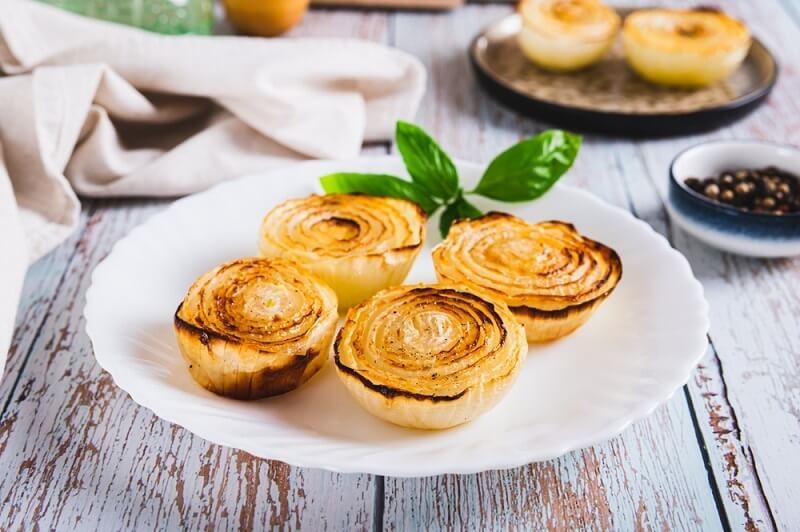
There’s something a little magical about caramelized onions. You start with raw onions—sharp and kind of harsh—and after a little patience and some heat, they turn soft, sweet, and golden. It's simple, but it always feels special.
But let’s be real—most people mess them up. Maybe they burn, or they just don’t taste right. So what’s the secret? What actually makes onions caramelize the way they should?
This guide walks you through the real process, tackles myths like caramelizing onions in 10 minutes, and shows you how to switch things up with red onions. Let’s dig in.
It’s not tough, but you do need to pay attention. There are no fancy tricks—just heat, time, and the patience to let them do their thing.
Basically, caramelization happens when the sugars in the onions break down and brown slowly. That’s where the sweetness and rich flavor come from.
It’s not about frying or sautéing fast. It’s all about slow, intentional cooking. If you do it right, you end up with onions that are soft and jammy, way sweeter than when you started, and packed with deep, buttery flavor.
Trying to rush this? You’ll just burn them or leave them raw. Take your time.
It’s easy to overlook, but the kind of onion matters.
If you’re new to this, grab yellow onions—they’re reliable and forgiving.
You don’t need a bunch of fancy stuff. Just the basics:
That’s it. No complicated list. Just basics done well.
Here’s where it really matters—timing and heat.
You want thin, even slices. Not too thick, not paper-thin. This helps them cook evenly.
Use a large skillet. More room means better caramelization. Melt butter or oil over medium heat—not high.
Throw the onions in and sprinkle salt. The salt helps draw out water, which gets the process going.
If the pan looks crowded, don’t worry—that’s normal.
Now’s the time to slow down and let them work. Keep the heat between medium and low, and stir every few minutes.
First, they’ll soften and lose water. Then they’ll turn translucent before they start to brown. This takes about 30–40 minutes. If they stick, add a splash of water and scrape up the brown bits for extra flavor.
Once they’re golden brown, drop the heat slightly. Keep gently stirring until they’ve got that rich color.
Taste as you go—they should be sweet, not bitter. Done.
Suggested Reading: How to Build Flavor Without Salt Like a Pro Chef at Home
This is one of the most common questions. And honestly, it deserves a straight answer.
Short answer? Not really.
Sure, you can cook onions in 10 minutes. Maybe soften and brown them a bit. But actual caramelization needs more time.
Turn up the heat, and you get burning, not caramelization.
That said, there are a few ways to speed things up slightly:
Even then, you need at least 20 minutes for something decent. Ten-minute caramelized onions are more myth than reality.
Red onions kick things up a notch—they’re sweeter, and the color’s awesome.
The process is basically the same, but:
When you caramelize red onions:
These are great on sandwiches, burgers, or tossed into salads.
Don't Miss: Genius Cooking Hacks That Actually Work in Your Kitchen
Let’s be honest. Most failed attempts come down to a few predictable mistakes.
Here’s what to watch for.
This is big. High heat scorches the outside before the insides soften. You’ll get bitter onions.
Stirring keeps things even. If you leave them too long, some parts burn while others stay raw.
More oil isn’t better—it actually slows browning by keeping onions from touching the pan directly.
Stuffing too many into the pan traps steam. That’s not caramelizing, that’s steaming. No browning.
Sometimes it’s the little things that improve your results.
Here are a few that experienced cooks swear by:
These tips matter way more than any fancy hack you’ll find.
Also Read: Cooking Tips for Beginners That Make Learning Feel Easy
Honestly, caramelizing onions isn’t about skill—it’s about patience. Once you get the hang of it, you don’t even have to think. Slice evenly, take it slow, let them develop flavor. That’s the secret.
Sure, you can try shortcuts. If you want that real, sweet, deep flavor, slow down. Let the onions shine. Next time you’re cooking, don’t rush them. You’ll taste the difference.
Yes, you can use a dry pan or a small amount of water, but it’s trickier. Onions may stick more and require frequent stirring. The flavor is slightly lighter compared to using fat. You’ll need to watch the pan closely to prevent burning.
Bitterness usually comes from cooking on high heat. The sugars burn instead of slowly caramelizing. Lower heat and longer cooking time will fix this issue. Stirring more evenly can also help prevent hot spots.
Yes, you can refrigerate them in an airtight container for up to 4 to 5 days. You can also freeze them in small portions for longer storage. Reheat them gently to preserve their texture and flavor.
Not really. Onions naturally contain sugar. Adding sugar can speed things up slightly, but it’s optional and not necessary for good results. Too much sugar can actually change the natural taste.
This content was created by AI